
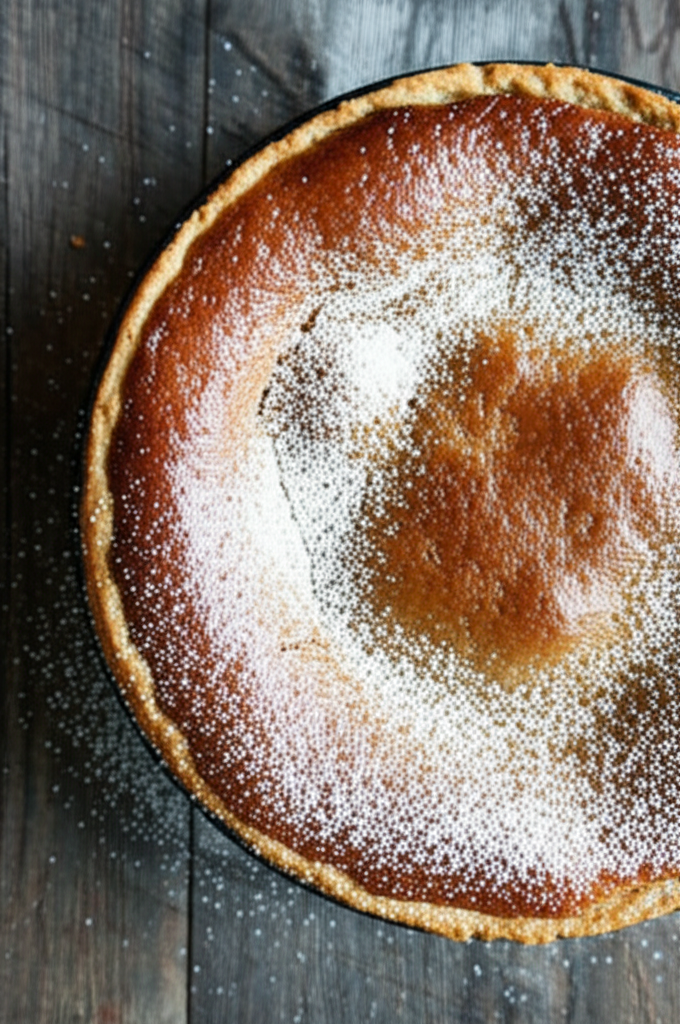
✨ Shoo-fly Pie: A Rustic American Anthem, Reimagined for the Modern Palate
There are certain aromas that transport us not just to a place, but to a time. For me, the scent of dark molasses, warmed by cinnamon and baking in a buttery crust, is a direct portal to the rolling hills and quiet resilience of Pennsylvania Dutch country. This is the soul of Shoo-fly Pie, a dessert born not of opulence, but of pantry staples and heartfelt ingenuity. Its name, folklorically attributed to the sweet molasses attracting flies that needed to be “shooed” away, speaks to its rustic, unpretentious origins. Yet, within its humble profile lies a profound lesson in culinary harmony—a triptych of textures and a deeply resonant flavor that lingers long after the last bite. It is a dish that tells a story of American history, of communities that built their world from the earth up.
In my kitchen, we don’t just recreate dishes; we seek to understand their essence and elevate them with intention. The classic Shoo-fly Pie is often a potent wave of sweetness. Our interpretation, however, is a carefully orchestrated symphony. We coax out the mineral-rich, slightly bitter undertones of blackstrap molasses, balancing them with the warmth of freshly grated nutmeg and the gentle fire of Ceylon cinnamon. We craft a crumb topping that is less of a sugary blanket and more of a sandy, textural counterpoint, using whole-grain flours that lend a subtle, nutty depth. The true magic, of course, is the signature “wet bottom”—a luscious, almost custardy layer that forms beneath the crumb. The experience of slicing into it is pure sensory theater: the crisp crackle of the topping gives way to a yielding, dark, and mysterious filling. This is not a dessert to be rushed. It’s best enjoyed on a crisp autumn afternoon, alongside a stark, black coffee or a sophisticated chicory root brew, allowing the complex, earthy sweetness to command your full attention. It is comfort, history, and mindful indulgence, all baked into a single, beautiful pie.
🛒 Ingredients
- For the All-Butter Whole Grain Crust:
- 1 ¼ cups (160g) whole wheat pastry flour or spelt flour
- ½ teaspoon fine sea salt
- ½ cup (113g) very cold, unsalted grass-fed butter, cut into ½-inch cubes
- 3–5 tablespoons ice-cold water
- For the Spiced Crumb Topping:
- 1 ½ cups (190g) whole wheat pastry flour
- ¾ cup (150g) coconut sugar or dark brown sugar, packed
- 1 teaspoon ground Ceylon cinnamon
- ½ teaspoon freshly grated nutmeg
- ¼ teaspoon ground ginger
- ⅛ teaspoon ground allspice
- ½ teaspoon fine sea salt
- 6 tablespoons (85g) cold, unsalted grass-fed butter, cut into small pieces
- Gourmet Addition (Optional): 1 tablespoon of black sesame seeds for a nutty, visual contrast.
- For the Molasses Filling:
- ¾ cup (240g) high-quality, unsulphured blackstrap molasses
- ¾ cup (180ml) boiling water
- 1 teaspoon baking soda
- 1 large pasture-raised egg, lightly beaten
- Gourmet Substitution (Optional): Replace 2 tablespoons of the water with strong-brewed black coffee to deepen the flavor complexity.
A Chef’s Note on Key Ingredients:
- Blackstrap Molasses: This is the soulful heart of the pie. Unlike sweeter, lighter molasses varieties, unsulphured blackstrap molasses is the third and most concentrated boiling of the sugarcane. It retains a wealth of minerals, including iron, calcium, and magnesium. Its flavor is robust, slightly bitter, and profoundly deep—providing a sophisticated foundation that prevents the pie from being one-dimensionally sweet. Choose a high-quality brand for the purest expression of its character.
- Whole Wheat Pastry Flour: We eschew bleached, all-purpose flour for this nutritional powerhouse. Milled from soft white wheat, it has a lower protein content than regular whole wheat flour, which yields a remarkably tender crumb and a flaky crust. It brings a subtle, nutty sweetness and a significant boost in fiber, turning a simple indulgence into a more nourishing experience without compromising texture.
- Grass-Fed Butter: The quality of your fat is paramount in a dish this elemental. Butter from grass-fed cows is richer in flavor and contains a higher concentration of beneficial nutrients like omega-3 fatty acids and Vitamin K2. When kept ice-cold, it is the key to creating the flaky layers in the crust and the perfect, sandy texture in the crumb. It’s an investment in flavor and wellness that pays dividends in the final product.
👨🍳 Instructions
-
Step 1: The Foundation – Mastering the Flaky Crust
In a large, chilled bowl, whisk together the whole wheat pastry flour and salt. Add the cold, cubed butter. Using a pastry blender or your fingertips, quickly cut the butter into the flour until the mixture resembles coarse meal with some pea-sized pieces of butter remaining. This lamination is crucial for flakiness. Drizzle 3 tablespoons of ice water over the mixture and toss with a fork until it begins to clump. If it feels too dry, add more water, one tablespoon at a time. Do not overwork the dough. Gather it into a disc, wrap tightly in plastic, and refrigerate for at least 60 minutes. On a lightly floured surface, roll the chilled dough into a 12-inch circle. Gently transfer it to a 9-inch pie plate, trim and crimp the edges decoratively. Prick the bottom with a fork and chill in the freezer for 15 minutes. Preheat your oven to 400°F (200°C). Blind bake the crust for 15 minutes with pie weights, then remove weights and bake for another 5-7 minutes until pale golden. Set aside to cool.
-
Step 2: The Soul of the Crumb – Architectural Texture
While the crust is chilling, prepare the crumb. In a medium bowl, combine the flour, coconut sugar, cinnamon, nutmeg, ginger, allspice, and salt. Whisk until perfectly homogenous—this ensures every bite is equally spiced. Add the cold, cubed butter. Using your fingertips, rub the butter into the dry ingredients. The goal is a texture resembling a mix of damp sand and small pebbles. The friction of your fingers will slightly warm the butter, allowing it to incorporate, but avoid creating a paste. The varied size of the crumbs is what creates the beautiful, craggy topography of the finished pie. Set this aside. This is a lesson in tactile cooking; feel the texture change and stop when it’s just right.
-
Step 3: The Liquid Heart – The Alchemy of the Filling
Reduce the oven temperature to 375°F (190°C). In a glass measuring cup or heatproof bowl, carefully pour the boiling water over the baking soda. It will fizz and foam—this is the chemical leavening that gives the final “wet bottom” its unique, light yet custardy texture. Whisk gently until the baking soda is completely dissolved. In a separate, larger bowl, pour in the blackstrap molasses. Slowly whisk in the hot water mixture until the molasses is thinned and the liquid is uniform. Allow this mixture to cool for 5-10 minutes. If it’s too hot when you add the egg, you risk scrambling it. Once cooled slightly, whisk in the lightly beaten pasture-raised egg until the entire mixture is smooth, glossy, and emulsified. This liquid is the dark, molten core of your pie.
-
Step 4: The Art of Assembly and the “Wet Bottom” Technique
This is where the magic happens. Take your pre-baked crust and your two components—the crumb and the molasses liquid. Reserve about 1 cup of the crumb topping for the final layer. Add the rest of the crumb topping directly into the bowl with the molasses mixture. Stir gently just until combined. This is the secret to a perfect “wet bottom” pie; by incorporating some of the crumb into the filling, you create a dense, cake-like layer at the base. Pour this thick, dark slurry into the prepared pie crust, spreading it evenly. Now, sprinkle the reserved 1 cup of crumb topping evenly over the surface. Do not press it down; let it sit loosely on top. This will bake into the crisp, crunchy lid that defines the pie’s textural contrast.
-
Step 5: The Bake – A Lesson in Patience and Precision
Place the pie on a baking sheet to catch any potential drips. Bake at 375°F (190°C) for 15 minutes, then reduce the oven temperature to 350°F (175°C). Continue to bake for another 30–35 minutes. Your culinary intuition is key here. The pie is done when the center is set but may still have a very slight wobble (it will firm up as it cools) and the crumb topping is a deep golden brown. A knife inserted into the center should come out with moist, sticky crumbs, not wet batter. Let the pie cool completely on a wire rack for at least 4 hours, preferably longer. Slicing into a warm Shoo-fly Pie is a common mistake that leads to a runny filling. Patience is the final, most crucial ingredient. Serve at room temperature for the most profound flavor experience.
🧪 Nutritional Analysis
- Serving Size: 1 slice (1/8th of pie)
- Calories: Approximately 410 kcal
- Protein: 6g
- Carbohydrates: 65g
- Fat: 16g (9g saturated)
- Fiber: 5g
- Sugar: 35g
- Sodium: 380mg
- Dietary Notes: This recipe is vegetarian. It can be made gluten-free by using a high-quality, measure-for-measure gluten-free flour blend for the crust and crumb. For a dairy-free version, substitute the grass-fed butter with a high-quality vegan butter or cold, firm coconut oil.
💚 Health Benefits
- Mineral-Rich Energy: Blackstrap molasses is an exceptional plant-based source of iron, which is vital for creating red blood cells and combating fatigue. It also provides a significant amount of calcium and magnesium, essential for bone density and proper nerve and muscle function.
- Digestive Support from Whole Grains: By using whole wheat pastry or spelt flour, this pie offers a good source of dietary fiber. Fiber is crucial for maintaining digestive regularity, feeding beneficial gut bacteria, and promoting a feeling of satiety.
- Blood Sugar Regulation from Spices: Ceylon cinnamon, often called “true cinnamon,” contains compounds that have been studied for their ability to help improve insulin sensitivity and manage blood sugar levels, providing a wonderful counterbalance to the molasses.
- Anti-Inflammatory Properties: Spices like ginger and nutmeg contain potent antioxidant and anti-inflammatory compounds, such as gingerol and myristicin. These can help to gently reduce inflammation in the body and support overall cellular health.
- Brain Health and Nutrient Absorption: The healthy fats from grass-fed butter are a source of butyrate, a short-chain fatty acid that supports gut health, and fat-soluble vitamins like A and K2. The choline from the pasture-raised egg is a critical nutrient for brain development and memory function.
- Mood and Relaxation: Nutmeg contains trace amounts of compounds that can have a mild calming effect on the nervous system. The ritual of enjoying a warm, spiced dessert can be a form of mindfulness, contributing to overall well-being and stress reduction.
🌟 Final Thoughts from Chef Adam Jorive
In the world of fine dining, we often chase complexity, novelty, and the avant-garde. Yet, returning to a dish like Shoo-fly Pie is a grounding experience. It reminds us that culinary beauty doesn’t always require exotic ingredients or intricate techniques; it can be found in the masterful balance of simple, honest components. This pie is a testament to the idea that wellness and indulgence are not mutually exclusive. By making mindful choices—selecting whole grains, nutrient-dense molasses, and high-quality fats—we transform a rustic treat into a composition that both delights the senses and offers genuine nourishment.
I encourage you to view this recipe not as a rigid set of rules, but as a foundation for your own creativity. Perhaps you’ll add a whisper of cardamom or a pinch of black pepper to the spice blend for a surprising warmth. Maybe you’ll serve it with a dollop of tangy, unsweetened crème fraîche or kefir cream to cut through the richness. The joy of cooking lies in this dance between tradition and personal expression. Create a pie that tells your story, that fills your home with an aroma of comfort and care, and that allows you to savor a moment of pure, unadulterated pleasure. That, to me, is the true five-star experience.