
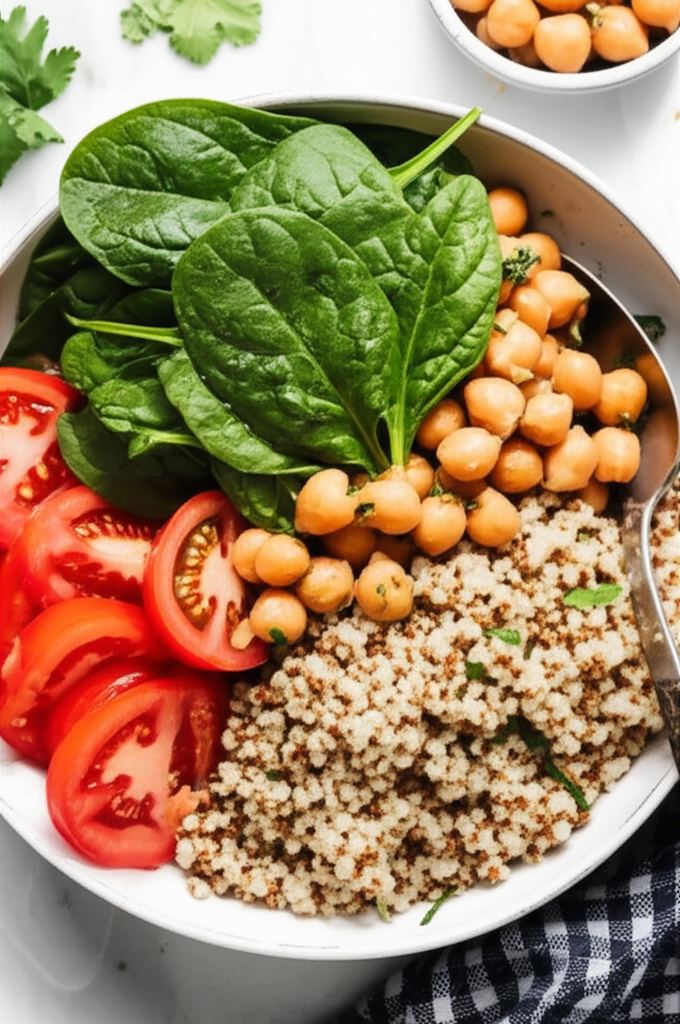
✨ The Sun-Drenched Soul of a Bowl: My Signature Chickpea-Farro Bowl
There are dishes that are born from technique, and then there are those born from memory. This Chickpea-Farro Bowl belongs firmly to the latter. I remember a journey through the sun-bleached hills of Umbria, Italy, years ago. I was not there as a chef in a starched white coat, but as a student of life, seeking the core, the very soul of food. In a tiny, family-run *trattoria* overlooking a valley of ancient olive groves, I was served a simple plate of farro, chickpeas, and herbs, dressed with little more than the family’s own liquid gold—their olive oil—and a squeeze of sun-ripened lemon. There was no fanfare, no elaborate plating, yet it was one of the most profound meals of my life. It was a taste of the earth, of history, of nourishment in its purest form. That meal taught me that wellness is not about restriction; it is about connection. It is about honoring ancient grains that have sustained civilizations and pairing them with the humble, life-giving pulse of the legume. This bowl is my homage to that memory, translated for the modern palate that seeks both health and delight. It is a symphony of textures—the satisfying, toothsome chew of the farro, the creamy yield of the chickpea, the crisp, cool snap of cucumber, and the gentle burst of a cherry tomato. The aroma is a fragrant tapestry of nutty tahini, bright citrus, and fresh, verdant herbs. This is not merely a “healthy meal”; it is a ritual in a bowl, a transportive experience designed to be savored slowly, perhaps on a sunlit patio or as a restorative, mindful supper after a long day.
🛒 Ingredients
- For the Bowl:
- 1 cup (approx. 200g) pearled farro, rinsed
- 2 ½ cups (600ml) high-quality vegetable broth or water
- 1 (15-ounce / 425g) can chickpeas, rinsed and drained
- 1 English cucumber, finely diced
- 1 pint (approx. 250g) cherry tomatoes, halved
- ½ small red onion, very finely minced
- 4 cups (approx. 120g) fresh baby arugula or spinach
- Gourmet Substitution: For a deeper, earthier flavor and a striking visual contrast, substitute the farro with black “forbidden” rice. Cook according to package directions.
- For the Lemon-Tahini Vinaigrette:
- ½ cup (120ml) well-stirred, high-quality tahini
- ⅓ cup (80ml) freshly squeezed lemon juice (from 2-3 lemons)
- ¼ cup (60ml) cold-pressed extra virgin olive oil
- 2 cloves garlic, grated on a microplane or very finely minced
- 1 tablespoon pure maple syrup or raw honey
- 3–5 tablespoons warm water, to thin
- ½ teaspoon sea salt, or to taste
- ¼ teaspoon freshly ground black pepper
- For Garnish:
- ¼ cup toasted sunflower or pumpkin seeds
- Handful of fresh dill, finely chopped
- Handful of fresh flat-leaf parsley, finely chopped
- Crumbled feta or goat cheese (optional, for a non-vegan version)
- Pinch of sumac or red pepper flakes (optional, for extra dimension)
A Chef’s Note on Key Ingredients:
Farro: Think of farro as the noble ancestor of modern wheat. This ancient grain is the heart of our bowl, providing a wonderfully nutty flavor and a distinctive, satisfying chewiness that sets it apart from softer grains. Its resilience in the pot mirrors its nutritional power; it is exceptionally rich in fiber, plant-based protein, and essential minerals like magnesium and zinc. We toast it before cooking to awaken its inherent nutty aromas, a small step that pays magnificent dividends in the final dish.
Tahini: This is the soul of our vinaigrette. True, high-quality tahini, made from nothing but ground sesame seeds, should have a texture like liquid silk and a flavor that is rich and nutty, with only a subtle, pleasant bitterness. It forms an incredibly creamy, dairy-free base for dressings and is a powerhouse of healthy monounsaturated fats, calcium, and iron. Always stir it well, as the oil naturally separates.
Sumac (Optional): If you wish to elevate this dish with a truly authentic Mediterranean touch, a whisper of sumac is your secret. This crimson spice, made from dried berries, imparts a bright, tangy, almost citrusy flavor without the acidity of lemon. It brings a beautiful complexity that dances exceptionally well with the tahini and fresh herbs.
👨🍳 Instructions
- The Foundation: To Perfect the Farro. The soul of a grain bowl lies in the perfect cooking of the grain itself. Begin by rinsing the farro under cold water. In a medium saucepan over medium heat, add a teaspoon of olive oil. Add the rinsed and drained farro and toast for 2-3 minutes, stirring constantly, until it releases a wonderfully nutty fragrance. This step is crucial; it’s like waking the grain up. Pour in the vegetable broth (or water) and a generous pinch of salt. Bring to a boil, then reduce the heat to a gentle simmer. Cover and cook for 20-30 minutes. The goal is *al dente*—a grain that is tender but still has a distinct, pleasurable chew. It should yield to the tooth but not surrender into mush. Once cooked, drain any excess liquid and fluff the farro with a fork. Set it aside, allowing it to cool slightly; a warm grain absorbs dressing more beautifully than a cold one.
- The Alchemy: To Craft a Silken Vinaigrette. A great vinaigrette is an emulsion, a harmony of fat and acid. In a medium bowl, combine the tahini, grated garlic, and fresh lemon juice. Whisk vigorously. The mixture will seize and thicken—do not be alarmed, this is the magic happening. Now, while whisking continuously, begin to drizzle in the extra virgin olive oil in a slow, steady stream. It will start to smooth out. Add the maple syrup, sea salt, and black pepper. The mixture will still be quite thick. This is where the warm water comes in. Add it one tablespoon at a time, whisking until you reach a smooth, pourable consistency, akin to heavy cream. Taste and adjust seasoning. Does it need more salt? A brighter note from more lemon? This is your moment of artistry. The final dressing should be a silken, cohesive sauce that coats the back of a spoon.
- The Canvas: The Art of the Vegetable Cut. While the farro cooks, prepare your mise en place. This stage is a meditation on precision. Your knife work directly impacts the textural experience. Dice the English cucumber into a uniform, small dice (about a ¼-inch or 0.5 cm cube)—this ensures a consistent, refreshing crunch in every bite. Halve the cherry tomatoes to expose their juicy interiors and allow them to mingle with the dressing. For the red onion, a fine mince (or *brunoise*) is essential. This technique distributes its pungent flavor evenly, providing a sharp, aromatic note without overwhelming the palate. The goal is a colorful mosaic of textures and shapes, each prepared with intention.
- The Union: To Assemble with Intention. Plating is not an afterthought; it is the final act of cooking. Begin by creating a lush bed of the fresh baby arugula in each of your serving bowls. Spoon the warm, fluffed farro over the greens. Now, arrange your components artfully. Create sections for the vibrant halved tomatoes, the crisp cucumber, the rinsed chickpeas, and the finely minced red onion. This thoughtful separation allows the diner to experience each element before composing their own perfect bite. It is a visual feast that primes the palate.
- The Masterstroke: To Dress and Garnish. Just before serving, drizzle the Lemon-Tahini Vinaigrette generously over the entire bowl. Do not drown it; you want to coat, not saturate. Now for the final flourish, the layers of texture and aroma that elevate the dish from great to extraordinary. Sprinkle with the toasted sunflower seeds for a delightful crunch, and a generous scattering of the freshly chopped dill and parsley. Tearing herbs can release more essential oils than chopping, so feel free to be rustic. If using, add a final dusting of sumac for that lemony tang or a pinch of red pepper flakes for a gentle warmth. If you are not adhering to a vegan diet, a crumble of salty feta is a magnificent final touch. Serve immediately and savor the symphony you have created.
🧪 Nutritional Analysis
Approximate values per serving (assuming 4 servings):
- Calories: ~590 kcal
- Protein: 21g
- Carbohydrates: 74g
- Fat: 26g (primarily monounsaturated and polyunsaturated)
- Fiber: 16g
- Sugar: 7g
- Sodium: ~480mg (will vary based on broth and added salt)
- Dietary Information: This recipe is naturally Vegan, Vegetarian, and Dairy-Free. It is exceptionally high in fiber. To make it Gluten-Free, simply substitute the farro with an equal amount of quinoa or brown rice.
💚 Health Benefits
- Sustained Energy & Blood Sugar Balance: The powerful combination of complex carbohydrates and high fiber from farro and chickpeas ensures a slow release of glucose into the bloodstream, providing lasting energy without the crash.
- Promotes Digestive Harmony: With over half the recommended daily intake of fiber in one serving, this bowl is a feast for your gut microbiome, promoting regularity and supporting a healthy digestive system.
- Supports Heart Health: The abundance of monounsaturated fats from extra virgin olive oil and tahini, coupled with the soluble fiber from the grains and legumes, helps to support healthy cholesterol levels and overall cardiovascular function.
- Anti-Inflammatory Properties: Extra virgin olive oil is rich in polyphenols like oleocanthal, which possess natural anti-inflammatory effects. The diverse phytonutrients from the fresh vegetables and herbs further combat inflammation in the body.
- Strengthens Bones and Immunity: Tahini offers a surprising dose of plant-based calcium for bone density, while the garlic, lemon juice (Vitamin C), and zinc from the chickpeas and seeds all contribute to a robust immune system.
– Rich in Plant-Based Protein: Chickpeas and farro together provide a robust profile of amino acids, making this bowl excellent for muscle repair, growth, and prolonged satiety, which aids in weight management.
🌟 Final Thoughts from Chef Adam Jorive
In my kitchens, I live by a simple philosophy: what nourishes the body must also nourish the soul. This Chickpea-Farro Bowl is the embodiment of that creed. It serves as a beautiful, delicious reminder that eating for wellness is not an act of deprivation, but an act of culinary celebration. I offer you this recipe not as a rigid set of rules, but as a blueprint for your own creativity. See it as a starting point. Perhaps you will add roasted sweet potatoes for autumnal warmth, or blanched asparagus in the spring. Maybe you’ll swap the dill for mint, or the sunflower seeds for toasted walnuts. The kitchen is your studio, and the ingredients are your palette. Trust your palate, honor the ingredients, and find joy in the process of creating a meal that is as beautiful to look at as it is to eat. Food that is crafted with intention and love holds a special kind of energy. May every bite of this bowl bring you a sense of vitality, contentment, and connection to the beautiful, sun-drenched memory that inspired it.