
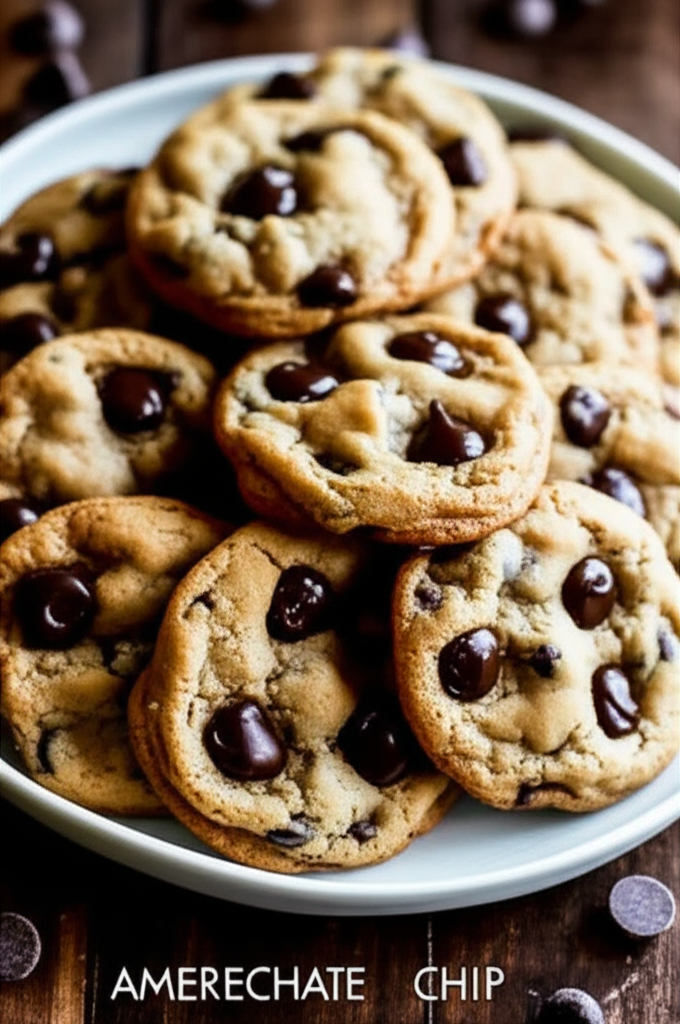
✨ An Ode to Nostalgia: Crafting the Quintessential Chocolate Chip Cookie
There are certain aromas that are not merely scents, but time machines. For me, the scent of butter and sugar creaming together, warmed by the hum of a stand mixer, is a direct portal to my grandmother’s sun-drenched kitchen. It is the overture to a symphony of comfort, the promise of something soul-soothing and deeply familiar. This is the magic of the Chocolate Chip Cookie, an icon that stands as one of the most profound and universally beloved pillars of American culinary heritage. It is more than a dessert; it is a currency of love, a peace offering, a celebration in its purest form. Born from a happy accident in the 1930s at the Toll House Inn in Massachusetts, when Ruth Wakefield added chopped chocolate to her butter cookie dough, it became an instant legend. The perfect cookie, in my view, is a study in contrasts. It must possess a delicate, crisp perimeter that shatters ever so slightly, giving way to a heart that is profoundly soft, chewy, and tender. The flavor profile is a delicate dance between the buttery, caramel notes of the dough—deepened by brown sugar and a patient chill—and the punctuated, slightly bitter richness of high-quality dark chocolate that pools and melts into molten pockets of bliss. A final whisper of flaky sea salt on top awakens the palate, cutting through the sweetness and amplifying every nuance. This is not a treat to be rushed. It is best enjoyed slowly, perhaps with a glass of impossibly cold organic milk or a masterfully brewed pour-over coffee, allowing each bite to dissolve on the tongue and flood the senses with warmth and unadulterated joy.
🛒 Ingredients
- Flour: 2 cups (250g) unbleached all-purpose flour
- Leavening: 1 teaspoon baking soda, 1/2 teaspoon baking powder
- Salt: 1 teaspoon fine sea salt
- Butter: 1 cup (227g) unsalted European-style butter, softened to a cool room temperature
- Sugars: 3/4 cup (150g) dark brown sugar, packed, and 1/2 cup (100g) organic cane sugar
- Eggs: 2 large free-range eggs, room temperature
- Vanilla: 2 teaspoons pure vanilla extract or the seeds from one vanilla bean
- Chocolate: 10 oz (285g) high-quality bittersweet chocolate (60-70% cacao), roughly chopped into varied sizes. Avoid chips if possible.
- Finishing Salt: Flaky sea salt (such as Maldon or Fleur de Sel) for sprinkling
- Gourmet Addition (Optional): 1 teaspoon of espresso powder to deepen the chocolate flavor, or 1 tablespoon of high-quality bourbon to add notes of oak and caramel.
- Optional Texture: 1 cup of toasted and chopped walnuts or pecans.
A Note on Key Ingredients:
- European-Style Butter: This is not a place for compromise. European butters have a higher butterfat content (typically 82-85% versus the American standard of 80%). This seemingly small difference yields a richer flavor, a more tender crumb, and contributes to a cookie that spreads more controllably, creating that coveted chewy texture. It’s the foundational flavor, so begin with the best.
- Chopped Chocolate vs. Chips: Standard chocolate chips are formulated with stabilizers to hold their shape during baking. By using a high-quality chocolate bar or fèves and chopping them yourself, you create shards, dust, and chunks. This variance creates a beautiful stratification of flavor and texture throughout the cookie—the dust melts into the dough, infusing it with flavor, while the larger pieces create those glorious, gooey pools. This is the single greatest secret to a bakery-level cookie.
- Dark Brown Sugar: While cane sugar provides structure and crispness, dark brown sugar is the soul of the cookie’s chewiness and depth. Its high molasses content not only imparts a rich, caramel-like flavor but also retains moisture, ensuring a soft and decadent center long after the cookies have cooled.
👨🍳 Instructions
-
Step 1: The Foundation of Flavor – Sifting and Creaming
In a medium bowl, perform the first act of precision: sift together the all-purpose flour, baking soda, and baking powder. This does more than just combine them; it aerates the flour, ensuring a light, even crumb and preventing dense pockets. Whisk in the fine sea salt. Set this dry mixture aside. In the bowl of a stand mixer fitted with the paddle attachment, or in a large bowl with a hand mixer, place your softened, cool-to-the-touch butter. Beat on medium speed for about one minute until smooth and creamy. Add both the dark brown and cane sugars. Now, cream them together on medium-high speed for a full 3-4 minutes. Do not rush this step. You are looking for a significant transformation in color and texture; the mixture should become pale, light, and fluffy. This process is not merely mixing; you are whipping thousands of tiny air pockets into the fat, which will provide the primary lift for your cookies. -
Step 2: Building the Emulsion and Dough
Scrape down the sides of the bowl to ensure everything is incorporated. With the mixer on low speed, add the room-temperature eggs one at a time, waiting for the first to be fully incorporated before adding the second. An emulsion is being created, and adding cold eggs can cause the butter to seize and break the structure. Follow with the vanilla extract (and espresso powder or bourbon, if using). Mix until just combined. Now, turn the mixer to its lowest setting and add the dry ingredients in two or three additions, mixing only until the last streaks of flour have just disappeared. Over-mixing at this stage is the enemy of tenderness. It develops gluten, which will lead to a tough, cakey cookie rather than a soft, chewy one. We want to gently coax the ingredients together, not force them. -
Step 3: The Star Ingredient and The Crucial Rest
Remove the bowl from the mixer. Using a flexible spatula, gently fold in your chopped chocolate (and nuts, if using). Use broad, sweeping motions from the bottom of the bowl upwards, distributing the chocolate evenly without overworking the dough. Now for the most important, and often skipped, professional secret: the chill. Transfer the dough to an airtight container or cover the bowl tightly with plastic wrap pressed directly onto the surface of the dough. Refrigerate for a minimum of 24 hours, and preferably up to 72 hours. This resting period is transformative. The fats solidify, which prevents excessive spreading. The flour fully hydrates, leading to a deeper caramel flavor and a superior chewy texture. The flavors meld and mature. Patience here will be rewarded tenfold. -
Step 4: The Bake – Precision and Observation
When you are ready to bake, preheat your oven to 375°F (190°C) with a rack positioned in the middle. Line two baking sheets with high-quality parchment paper. Using a 2-ounce cookie scoop (or a heaping tablespoon), portion the cold, firm dough into balls and arrange them 2-3 inches apart on the prepared sheets. Do not flatten them. Bake one sheet at a time for 11-14 minutes. The visual cues are critical: the edges should be set and a beautiful golden-brown, while the centers will still look slightly pale and underdone. This “residual heat” baking ensures a soft, gooey middle. For perfectly round cookies, you can perform a “cookie scoot” immediately after removing them from the oven: use a large round cookie cutter or the rim of a glass to gently nudge the edges of the hot cookie into a perfect circle. -
Step 5: The Finishing Touch and Plating
As soon as the cookies come out of the oven, sprinkle each one with a few flakes of your finest sea salt. The heat will help the salt adhere to the molten chocolate, creating an exquisite flavor contrast. Allow the cookies to cool on the baking sheet for 5-10 minutes to set before transferring them to a wire rack to cool completely. These cookies are sublime when served warm, their chocolate hearts still molten. For a truly elevated presentation, plate a single warm cookie on a simple ceramic dish, perhaps alongside a quenelle of vanilla bean ice cream or a dollop of unsweetened créme fraîche to balance the sweetness.
🧪 Nutritional Analysis
- Serving Size: 1 cookie (approx. 50g)
- Calories: Approximately 240 kcal
- Protein: 3g
- Carbohydrates: 28g
- Fat: 14g (8g saturated)
- Fiber: 1.5g
- Sugar: 17g
- Sodium: 180mg
- Dietary Notes: This recipe is a classic indulgence. For a gluten-free version, a high-quality 1:1 gluten-free baking flour blend can be substituted. For a vegan adaptation, use high-quality vegan butter and a flax egg (1 tbsp ground flaxseed mixed with 3 tbsp water per egg), though the final texture will be slightly different.
💚 Health Benefits
- Mood & Heart Health from Dark Chocolate: The use of 70% or higher cacao chocolate provides a significant source of flavonoids, powerful antioxidants that help combat oxidative stress and may support cardiovascular health by improving blood flow. It also contains compounds that can trigger the release of endorphins, contributing to a sense of well-being.
- Brain Function Support: Free-range eggs are a nutritional powerhouse, providing high-quality protein for muscle repair and, crucially, choline. Choline is an essential nutrient for brain health, playing a key role in memory, mood, and cognitive function.
- Trace Minerals from Molasses: The dark brown sugar, rich in molasses, isn’t just for flavor. It contributes trace amounts of essential minerals like iron (for energy), magnesium (for muscle and nerve function), and calcium (for bone health).
- Energy Metabolism: The balanced combination of fats, carbohydrates, and protein provides a source of sustained energy, making a single cookie a satisfying and functional treat when you need a lift.
- Stress Reduction through Mindful Baking: The very act of measuring, mixing, and baking can be a meditative practice. Focusing on the tactile process can reduce stress and anxiety, offering a psychological benefit that is as valuable as any nutrient.
- Source of Fat-Soluble Vitamins: If using high-quality, grass-fed butter as a gourmet option, you introduce a better profile of fat-soluble vitamins like Vitamin A (for vision and immune function) and Vitamin K2 (for heart and bone health).
🌟 Final Thoughts from Chef Adam Jorive
In the world of gastronomy, we often chase the novel and the complex. Yet, I find myself continually drawn back to the profound elegance of a perfectly executed classic. The chocolate chip cookie is a testament to the idea that the most memorable culinary experiences are often born from simplicity, elevated by technique and intention. This recipe is a blueprint, a foundation upon which you can build your own traditions. Do not be afraid to experiment. Perhaps a whisper of cardamom or cinnamon speaks to your soul, or the smoky depth of toasted almonds. Maybe you prefer the bright tang of dried cherries alongside the dark chocolate. The kitchen should be a playground for the senses. Embrace the process, honor the ingredients, and share the result with those you love. Because, ultimately, a well-lived life, much like a perfect cookie, is all about finding that beautiful, delicious balance between indulgence, nourishment, and pure, unadulterated joy.